💬 Understanding Dog Communication
Learn to read what your dog is really saying through body language, vocalizations, and behavior
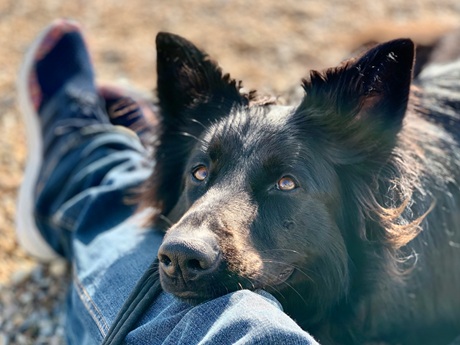
Dogs communicate constantly - we just need to learn their language
The Silent Language of Dogs
Dogs are master communicators, using a complex system of body language, facial expressions, vocalizations, and scent to convey their feelings and intentions. Understanding this language is crucial for building a strong relationship with your dog and ensuring their wellbeing.
Unlike humans who rely heavily on verbal communication, dogs primarily "speak" through body posture, tail position, ear placement, eye contact, and various sounds. Learning to read these signals helps you understand when your dog is happy, stressed, fearful, or excited - and respond appropriately.
Key Insight: Dogs communicate in "packages" - you must read multiple signals together. A wagging tail doesn't always mean happiness, and a bark doesn't always mean aggression. Context is everything.
🎭 Reading Body Language
A dog's body is constantly broadcasting their emotional state. Here's how to decode it:
🐕 Tail Signals
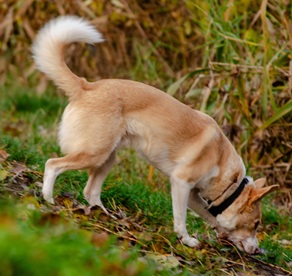
Tail position reveals emotional state
High and Stiff
Meaning: Alert, aroused, possibly challenging or aggressive
Context: The dog is focused on something and may be ready to act
Relaxed Wagging (mid-level)
Meaning: Happy, friendly, comfortable
Context: The dog is in a positive emotional state
Low or Tucked
Meaning: Fearful, anxious, submissive
Context: The dog is uncomfortable or worried
Fast, Broad Wag
Meaning: Very excited and friendly
Context: Often seen during greetings with loved ones
Slow, Stiff Wag
Meaning: Uncertain, assessing the situation
Context: Not necessarily friendly - proceed with caution
👂 Ear Position

Ears telegraph attention and emotion
Forward and Erect
Meaning: Alert, interested, confident
Context: Paying attention to something specific
Relaxed, Neutral Position
Meaning: Calm, comfortable
Context: The dog is at ease
Pinned Back
Meaning: Fearful, submissive, or preparing to be defensive
Context: The dog may be worried or ready to defend themselves
One Ear Forward, One Back
Meaning: Conflicted, uncertain, or listening to sounds from different directions
Context: Processing multiple stimuli
👁️ Eye Contact & Expression

Eyes reveal emotional intensity
Soft, Relaxed Eyes
Meaning: Happy, calm, trusting
Context: Often accompanied by relaxed facial muscles
Hard Stare
Meaning: Challenge, warning, high arousal
Context: Pre-aggression signal - give space
Whale Eye (showing whites)
Meaning: Stress, anxiety, discomfort
Context: The dog is worried about something
Dilated Pupils
Meaning: High arousal - could be excitement, fear, or aggression
Context: Indicates strong emotional state
Avoiding Eye Contact
Meaning: Polite, submissive, trying to diffuse tension
Context: "I'm not a threat" signal
🏃 Overall Body Posture
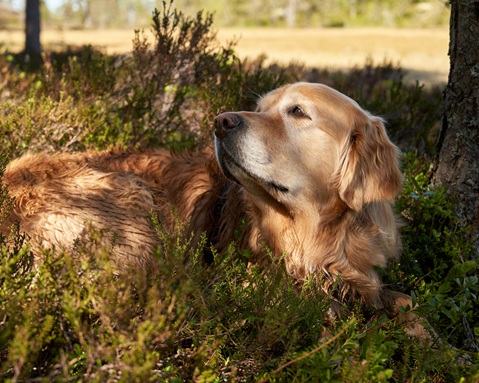
Relaxed & Happy
- Weight evenly distributed
- Loose, wiggly body
- Mouth open, tongue possibly out
- Tail in natural position, wagging
- Soft facial expression
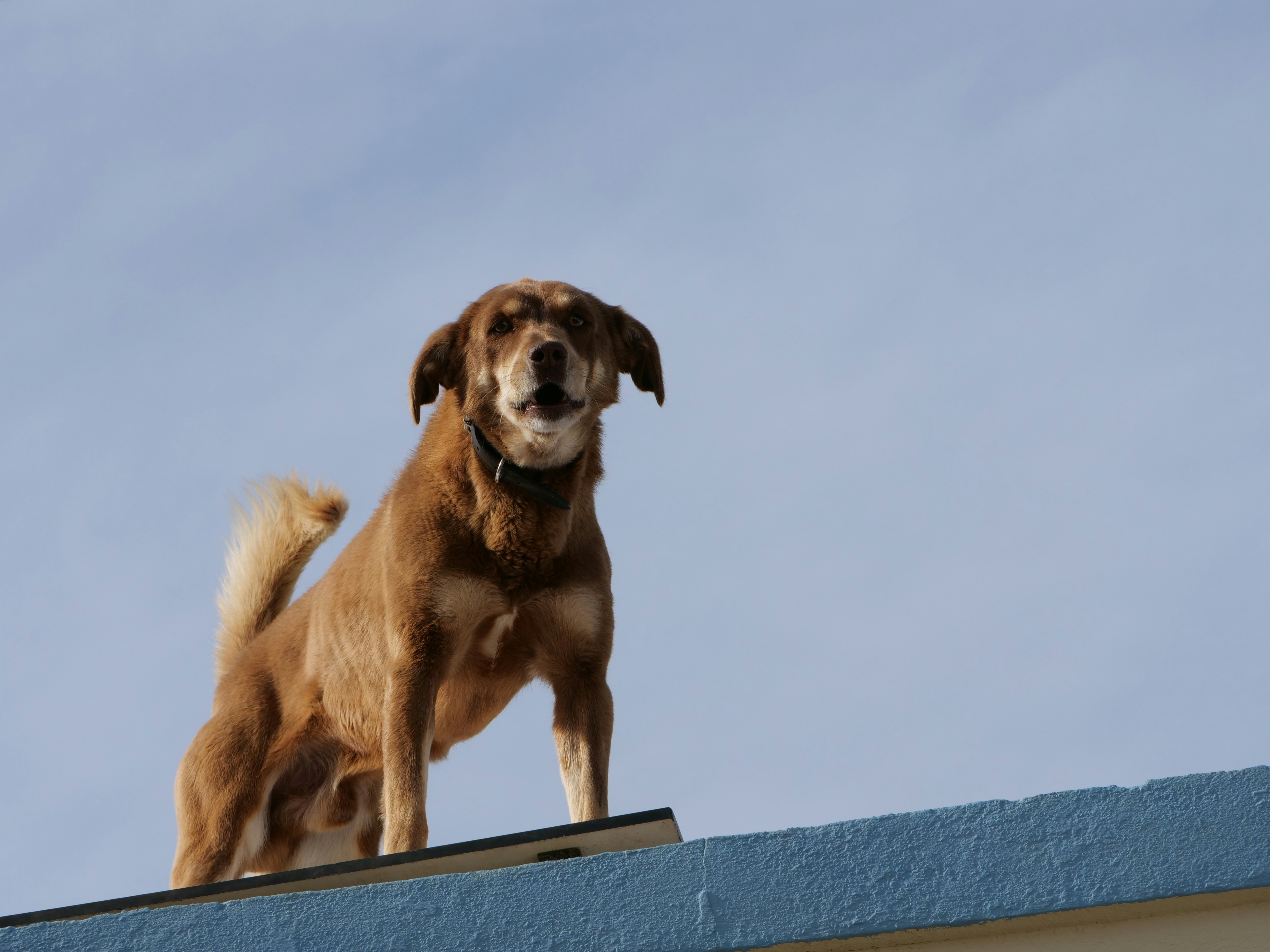
Alert & Confident
- Weight forward
- Body stiff and upright
- Tail high
- Ears forward
- Direct eye contact
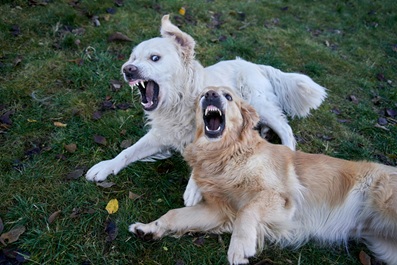
Fearful & Submissive
- Weight shifted back or low
- Body lowered or crouching
- Tail tucked
- Ears back
- Avoiding eye contact
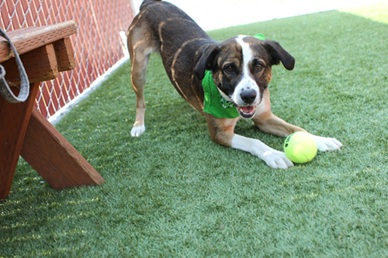
Playful
- Play bow (front down, rear up)
- Bouncy movements
- Open mouth "play face"
- Exaggerated movements
- High-pitched vocalizations
😊 Facial Expressions
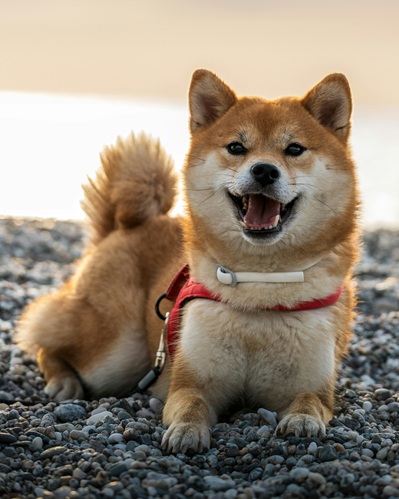
Happy & Relaxed
- Mouth slightly open
- Relaxed jaw
- Soft eyes
- Smooth forehead
- Tongue may be visible

Stressed or Anxious
- Tight, closed mouth
- Lip licking
- Yawning (not from tiredness)
- Furrowed brow
- Whale eye showing
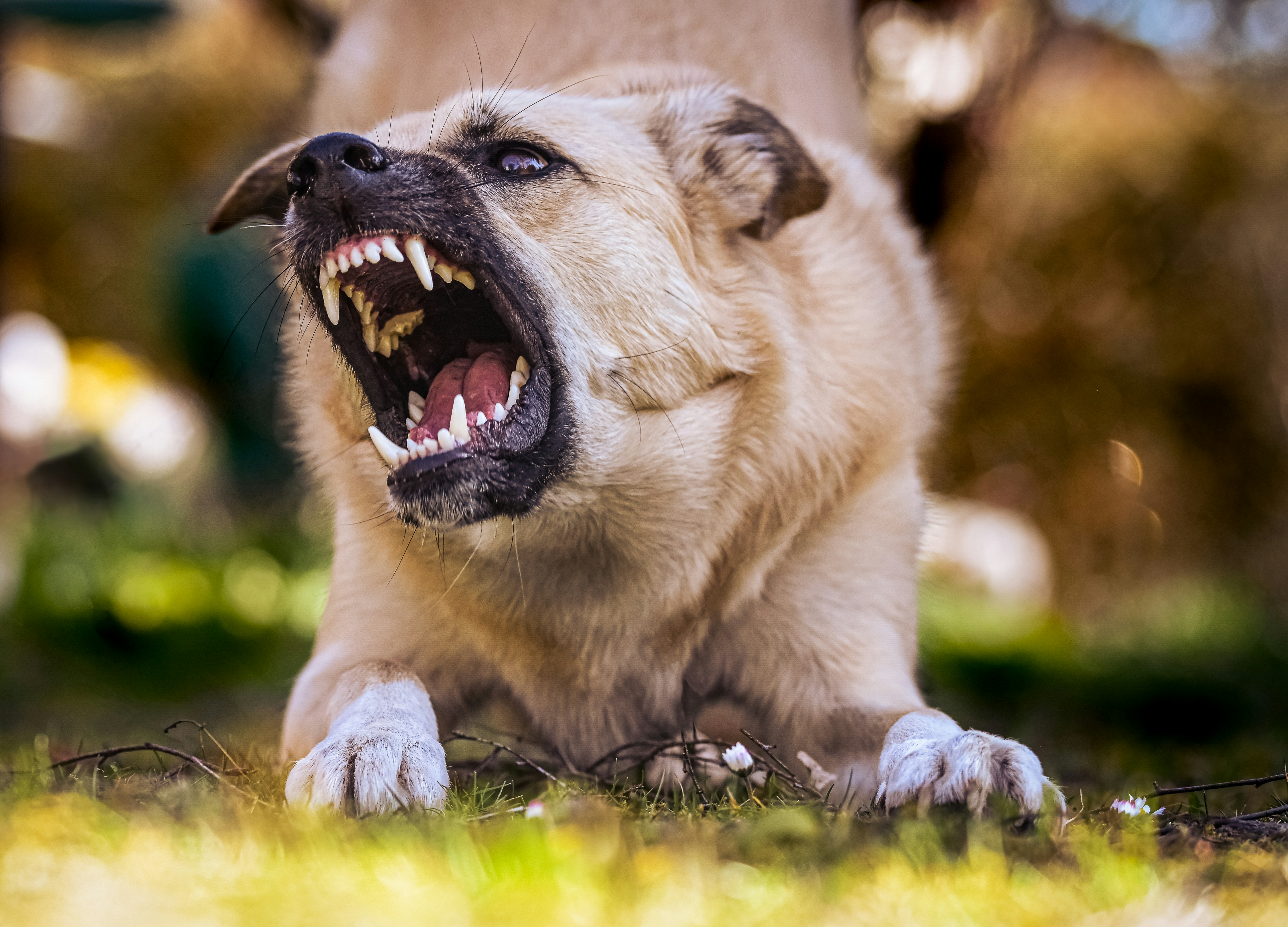
Warning/Aggressive
- Lips pulled back
- Teeth showing (snarl)
- Wrinkled muzzle
- Hard stare
- Tense facial muscles
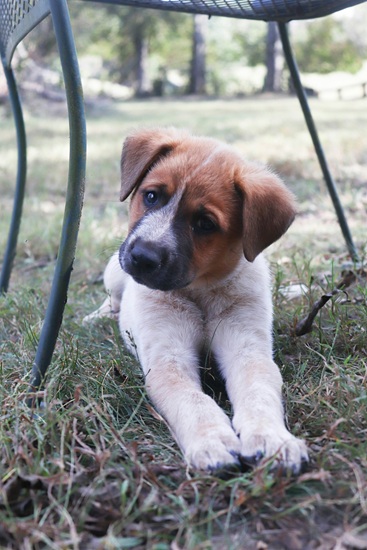
Submissive
- Ears back
- Squinty eyes
- Lips pulled back (submissive grin)
- Looking away
- Lowered head
🕊️ Calming Signals
Dogs use these subtle behaviors to self-soothe, avoid conflict, and communicate peaceful intentions:
Lip Licking
Quick tongue flicks to nose or lips when not eating. Signals stress or an attempt to calm a situation.

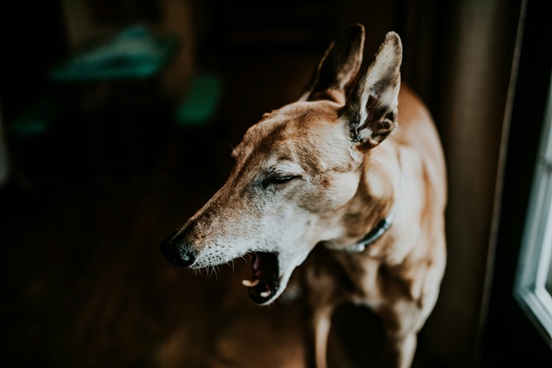
Yawning
Not from tiredness but from stress or to calm themselves or others in tense situations.
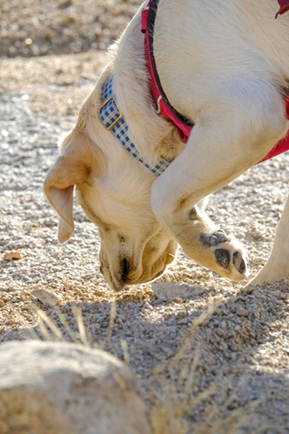
Sniffing the Ground
Sudden interest in ground smells during stressful moments - a way to take a mental break.
Turning Head/Body Away
Looking or turning away from a stressor - "I'm not a threat" or "please calm down" signal.
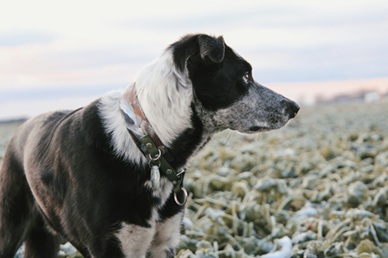
Moving Slowly
Deliberately slow movements to appear non-threatening or to self-calm in stressful situations.
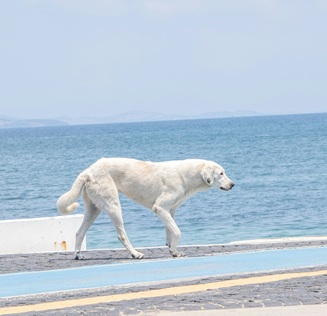
Curved Approach
Approaching in an arc rather than head-on - polite dog etiquette to avoid seeming confrontational.

Why Calming Signals Matter:
Recognizing these signals helps you understand when your dog is uncomfortable. If you see multiple calming signals, your dog is asking for space or for the situation to change. Respecting these signals prevents escalation to fear or aggression.
🔊 Vocalizations
🗣️ Barking
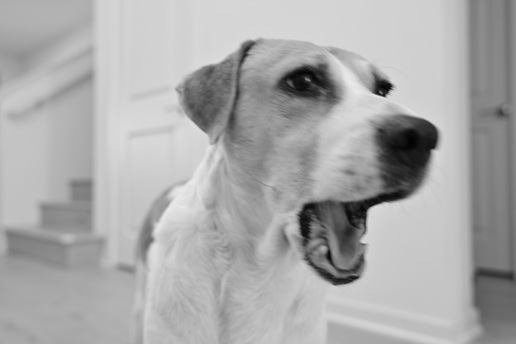
😢 Whining & Whimpering

General Meaning: Need, want, discomfort, or stress
- High-pitched whine: Excitement or eagerness
- Persistent whine: Need (bathroom, food, attention)
- Soft whimpering: Discomfort, pain, or submission
- Whine with paw raise: Polite request or appeasement
😤 Growling

General Meaning: Warning, but context varies greatly
- Play growl (soft, rhythmic): Part of normal play - often during tug
- Warning growl (low, steady): "Back off" - respect this communication
- Fear growl (high-pitched): Frightened dog warning they may defend themselves
- Possession growl: Resource guarding - needs training intervention
😮 Howling
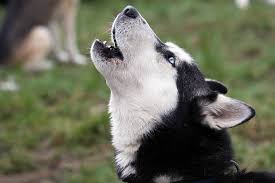
General Meaning: Long-distance communication, inherited from wolves
- Response to sirens: Triggered by high-pitched sounds
- Separation distress: Calling for pack members
- Announcement: "I'm here!" declaration
- Seeking attention: Some dogs learn howling gets responses
🐕🐕 Dog-to-Dog Communication
Dogs have a sophisticated system for communicating with each other that involves all their senses. Understanding these interactions helps you know when play is healthy versus when intervention is needed.
👋 The Greeting Ritual
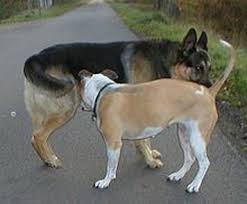
Healthy Dog Greetings:
- Approach in curves: Polite dogs approach in an arc, not head-on
- Sniff face/mouth first: Brief nose-to-nose greeting
- Move to rear: Sniffing rear end (exchanging information via scent glands)
- Play signals: If friendly, may lead to play bow or invitation
- Space respect: Both dogs free to disengage and move away
Warning Signs in Greetings:
- Direct, stiff approach
- Prolonged, hard staring
- Mounting (often about control, not play)
- One dog unable to escape
- Tense body language
🎮 Play Behavior
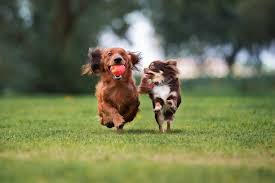
Healthy Play Looks Like:
- Role reversal: Dogs take turns being chaser/chased
- Play bows: Front end down, rear up - "this is play!"
- Self-handicapping: Bigger dog plays gently with smaller
- Frequent breaks: Dogs pause, check in, then resume
- Relaxed mouths: Open mouths, no tense jaws
- Exaggerated movements: Bouncy, loose body language
- Both willing: Either dog can end play and the other respects it
When to Interrupt Play:
- One dog always pinned, can't escape
- Vocalizations becoming serious (yelps of pain)
- No role reversal - same dog always chasing/mounting
- Bodies becoming stiff
- One dog hiding or trying to leave
- Play escalating to genuine aggression
⚔️ Conflict Resolution
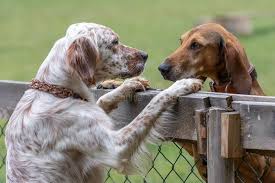
Dogs have evolved to avoid fights (injuries hurt both parties). They use a "ladder of aggression" to communicate discomfort before resorting to violence:
- Calming signals: Yawning, lip licking, looking away
- Body language: Turning head/body away, lowering body
- Leaving: Walking away from the situation
- Freezing: Going very still, stopped eating/playing
- Stiffening: Tense body, hard stare
- Growling: Audible warning
- Snapping: Warning bite without contact
- Bite: Last resort when all warnings ignored
👑 Dominance vs. Bullying
The Truth About "Dominance":
Modern dog behavior science has moved away from outdated "alpha dog" theories. Dogs don't have rigid dominance hierarchies like we once thought. Instead, they have fluid relationships based on:
- Resource value: Who cares more about this specific item/space
- Context: One dog might "defer" over food, another over toys
- Personality: Some dogs are more assertive, others more easy-going
- Individual relationships: Dogs work out their own social dynamics
Bullying Behavior to Watch For:
- Consistently blocking doorways or resources
- Preventing another dog from playing, eating, or resting
- Mounting that doesn't stop when other dog protests
- Resource guarding that prevents other dog from normal life
- One dog showing persistent stress signals
When to Intervene: If one dog is consistently stressed, unable to access resources, or showing fear, the relationship needs management. This isn't "dominance" - it's incompatible personalities or bullying that requires human intervention.
👤🐕 How to Communicate Effectively with Your Dog
✋ Body Language Matters
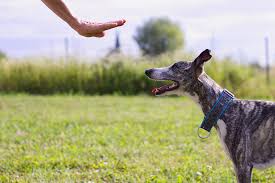
Dogs read your body language more than your words. Use this to your advantage:
- Face away when you want to appear non-threatening or calm an anxious dog
- Stand tall when you need to be assertive (blocking unwanted behavior)
- Crouch down to invite a fearful dog to approach (less intimidating)
- Move slowly around nervous or reactive dogs
- Turn your side rather than facing dogs head-on (less confrontational)
- Use hand signals - they're often clearer than verbal commands
🗣️ Voice & Tone
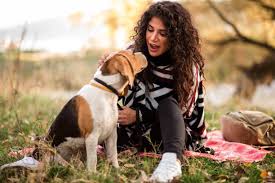
Dogs respond more to how you say something than what you say:
- High, excited voice: Encouragement, praise, play invitation
- Calm, soothing voice: To settle an anxious or excited dog
- Firm, neutral voice: For commands and corrections
- Avoid yelling: Increases stress and may excite some dogs more
- Consistency: Use the same words for same commands
- Brevity: Short commands work better than sentences
👁️ Eye Contact Rules
With Your Own Dog:
- Soft eye contact builds bonding
- Hard stares can be interpreted as challenges
- If training isn't working, avoid staring - it creates pressure
With Strange Dogs:
- Avoid direct, prolonged eye contact - it's threatening
- Look at their chest or past them instead
- If a dog stares at you, calmly look away
🤝 Respecting Their Communication
Honor their signals:
- If your dog moves away from petting, respect it - they're saying "enough"
- Don't force interactions with people or dogs they're uncomfortable with
- If they show calming signals, reduce pressure
- When they growl, address the cause, don't punish the communication
- Allow them to move away from situations when possible
❌ Common Misunderstandings
Myth: A Wagging Tail Always Means Friendliness
Reality: Tail wagging indicates arousal (emotional excitement), which could be positive OR negative. A stiff, high, slow wag can precede aggression. Always look at the whole dog.
Myth: Rolling Over Means "Rub My Belly"
Reality: While some dogs do request belly rubs, others roll over as a submissive or appeasement gesture, especially with strange dogs or people. If the dog is tense or showing whale eye, they're asking for space, not touch.
Myth: A Yawning Dog is Tired
Reality: Frequent yawning (especially when not tired) is a stress signal. Dogs yawn to calm themselves or to signal "I'm not a threat" to others. Context matters!
Myth: Dogs Feel "Guilty" When They've Done Something Wrong
Reality: That "guilty look" is actually appeasement behavior in response to YOUR angry body language. Studies show dogs display this whether they actually did something wrong or not - they're responding to your mood, not feeling guilt.
Myth: Lip Licking Means They Enjoyed Their Food
Reality: While dogs do lick lips after eating, frequent lip licking in other contexts is a stress signal. If your dog is constantly licking their lips during training or in certain situations, they're uncomfortable.
Myth: If a Dog Bites "Out of Nowhere," They're Unpredictable
Reality: Dogs almost always give warning signals before biting. Humans often miss or ignore these signals. When we punish early warnings (like growling), we train dogs to skip to biting. The dog gave warnings - we didn't listen.
🎯 Putting It Into Practice
Daily Observation Exercise
Spend 10 minutes daily just watching your dog and noting:
- What is their relaxed, happy baseline?
- How does their body language change in different situations?
- What are their personal stress signals?
- What calming signals do they use most?
- How do they greet familiar vs. unfamiliar people/dogs?
Why it matters: Knowing YOUR dog's specific patterns helps you identify when something is wrong before it escalates.
Video Analysis
Record your dog during different activities:
- Playing with other dogs
- Meeting new people
- Training sessions
- Being groomed or handled
Watch in slow motion - you'll catch subtle signals you miss in real-time. This is incredibly educational!
Improve Your Own Communication
📚 Continue Learning
📖 Recommended Reading
- Study canine body language books
- Learn about calming signals
- Read about dog social behavior
- Research breed-specific communication traits
🎓 Professional Help
- Attend positive reinforcement training classes
- Consult certified dog trainers (CPDT-KA)
- For serious issues: veterinary behaviorists
- Join dog body language workshops
👥 Practice Opportunities
- Visit dog parks (observe from outside first)
- Attend puppy socialization classes
- Watch dog daycare interactions
- Volunteer at animal shelters
🔬 Stay Current
- Follow science-based dog trainers
- Read current canine behavior research
- Question outdated "dominance" methods
- Join positive training communities
💭 Final Thoughts
Learning to "speak dog" is one of the most valuable skills you can develop as a dog owner. It deepens your bond, prevents problems before they start, and ensures your dog feels understood and safe.
Remember: your dog is always communicating. The question is whether we're listening. By learning their language, we can respond appropriately to their needs, prevent misunderstandings, and build a relationship based on mutual respect and understanding.
Every dog is an individual with their own communication style. Spend time observing your specific dog, learning their unique patterns, and respecting their signals. This investment will pay dividends in a happier, healthier relationship for both of you.
"The more we learn about dog communication, the more we realize how much they've been trying to tell us all along. We just needed to learn to listen."