From Wolf to Friend: The First Partnership
The story of domestic dogs begins approximately 15,000 to 40,000 years ago, though the exact timeline remains a subject of ongoing scientific research. What we know is that dogs were the first species ever domesticated by humans, predating agriculture and the domestication of any other animal by thousands of years.
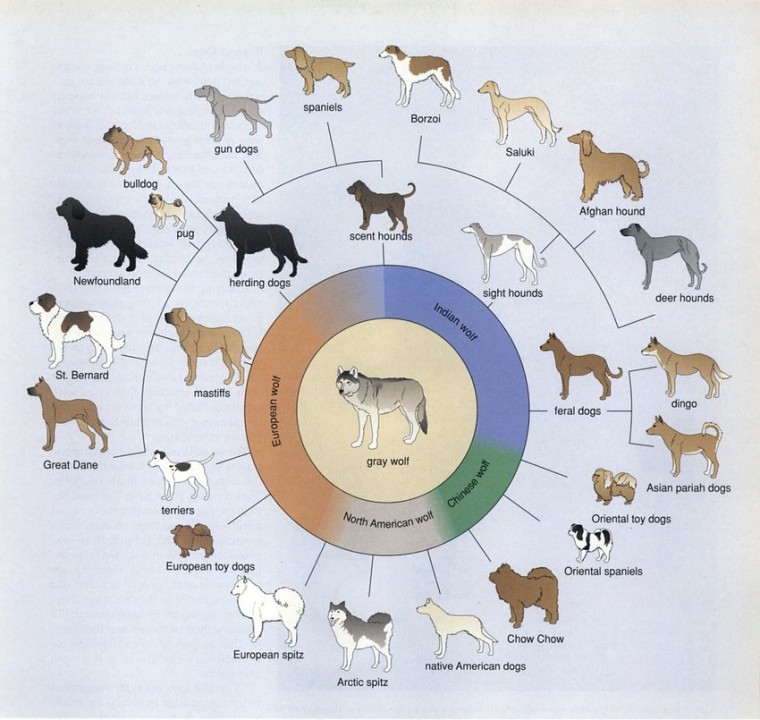
The ancestor of all domestic dogs is the gray wolf (Canis lupus). However, dogs didn't simply descend from modern wolves - they evolved from an ancient wolf population that no longer exists. This distinction is crucial: dogs and modern wolves share a common ancestor, but dogs are not descended from the wolves we see today.
Theories of Domestication
How did this remarkable transformation occur? Scientists have proposed several theories:
The Self-Domestication Theory
The most widely accepted theory suggests that wolves essentially domesticated themselves. As humans began settling in communities, their waste dumps attracted scavenging wolves. The wolves that were less fearful and more tolerant of human presence had easier access to food. Over generations, these "friendlier" wolves thrived, passing on their behavioral traits.
The Active Selection Theory
Another hypothesis proposes that early humans actively captured wolf pups and raised them, selecting for desirable traits over many generations. Humans may have recognized the benefits of having wolves around - for hunting assistance, protection, and companionship.
The Mutualistic Relationship
A third perspective suggests the relationship developed mutually and gradually. Wolves may have followed human hunting parties to scavenge remains, while humans benefited from the wolves' superior senses alerting them to danger. This symbiotic relationship slowly evolved into active cooperation.
Physical & Behavioral Changes
Domestication brought dramatic changes to dogs, both physically and behaviorally. These transformations, known as the "domestication syndrome," include:
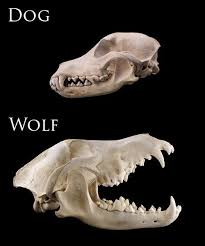
- Reduced skull and brain size compared to wolves (though cognitive abilities remained high)
- Shorter snouts and smaller teeth as hunting large prey became less necessary
- Floppy ears and curled tails - traits almost never seen in adult wolves
- Coat color variations including spots, patches, and colors beyond wolf gray
- Extended puppyhood behaviors into adulthood, known as neoteny
- Enhanced ability to read human gestures and facial expressions
- Reduced fear and aggression toward humans